
Soul Eater – The landscape of supernatural anime, few series have managed to combine dark symbolism, emotional depth, and energetic storytelling. Rather than focusing purely on battles or power escalation, the anime builds its identity through characters who feel psychologically complex and visually expressive. This article offers a fresh, non-derivative analysis of the main characters in Soul Eater, exploring their appearance, personality, development, and why they continue to influence audiences worldwide, while also hinting at the relevance of the series as we move closer to 2026.
Maka Albarn – Rationality as a Form of Strength
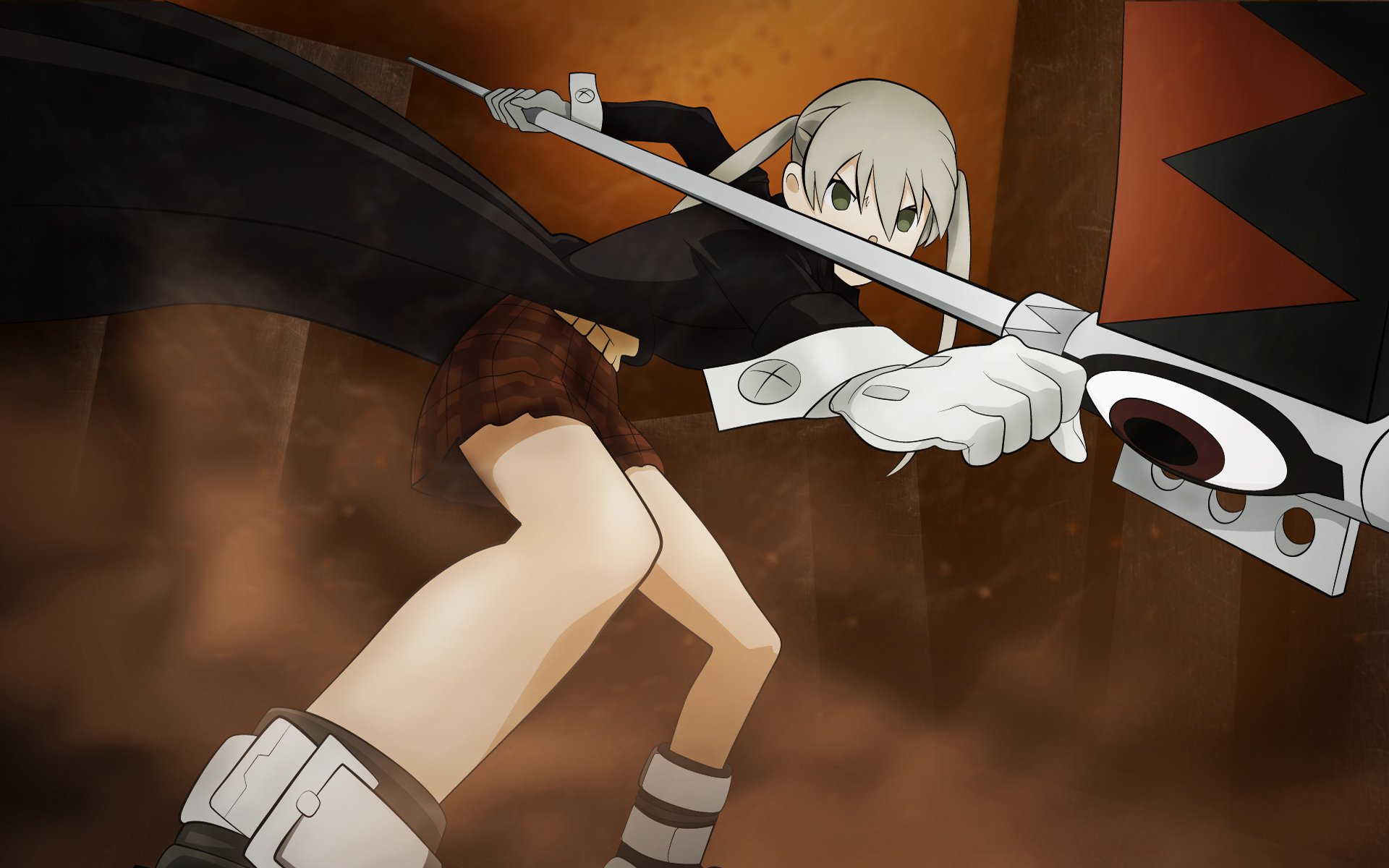
Maka Albarn stands apart from many anime protagonists due to how grounded she feels. Her visual design is intentionally restrained: practical clothing, sharp facial features, and expressive eyes that emphasize focus rather than flashiness. This understated appearance reflects her internal world—orderly, analytical, and disciplined.
Personality-wise, Maka represents rational thinking and emotional intelligence. She approaches challenges in Soul Eater not with reckless courage, but with preparation and empathy. Her growth is subtle but meaningful: she learns to balance logic with instinct, and authority with compassion. Over time, Maka evolves into a figure of leadership who inspires trust rather than fear.
For the public, Maka became an example of how intelligence and emotional awareness can be powerful traits. The animation helped redefine what strength looks like, particularly for female characters, by positioning mental resilience as equal to physical ability.
Soul Evans – Identity Beneath the Attitude
Soul Evans initially appears as the stereotypical “cool partner”—relaxed posture, sharp grin, and a rebellious aesthetic that aligns perfectly with the edgy tone of Soul Eater. However, this surface-level confidence hides a fragile sense of identity.
Soul’s internal conflict revolves around fear of inadequacy and being left behind. His development is driven not by ambition, but by the desire to feel worthy. Throughout Soul Eater, his bond with Maka becomes a mirror that forces him to confront his insecurities. Growth, for Soul, means accepting imperfection rather than denying it.
This portrayal resonated strongly with audiences who recognized the pressure to appear confident in a competitive world. The anime used Soul’s journey to highlight that vulnerability does not weaken masculinity—it humanizes it.

Black☆Star – Noise, Ego, and Transformation
Black☆Star is one of the loudest characters in Soul Eater, both visually and emotionally. His exaggerated movements, bold color palette, and constant declarations of superiority make him impossible to ignore. At first glance, he seems driven purely by ego.
Yet Soul Eater gradually reveals that Black☆Star’s arrogance is a defense mechanism. He fears insignificance and equates attention with value. His development arc is one of the most dramatic in the series, as he learns discipline, responsibility, and the importance of restraint.
Audiences were captivated by this transformation. Black☆Star’s journey demonstrates that ambition without self-awareness leads to self-destruction. Through him, Soul Eater delivers a powerful message: true strength is measured by control, not volume.

Tsubaki Nakatsukasa – The Power of Quiet Resolve
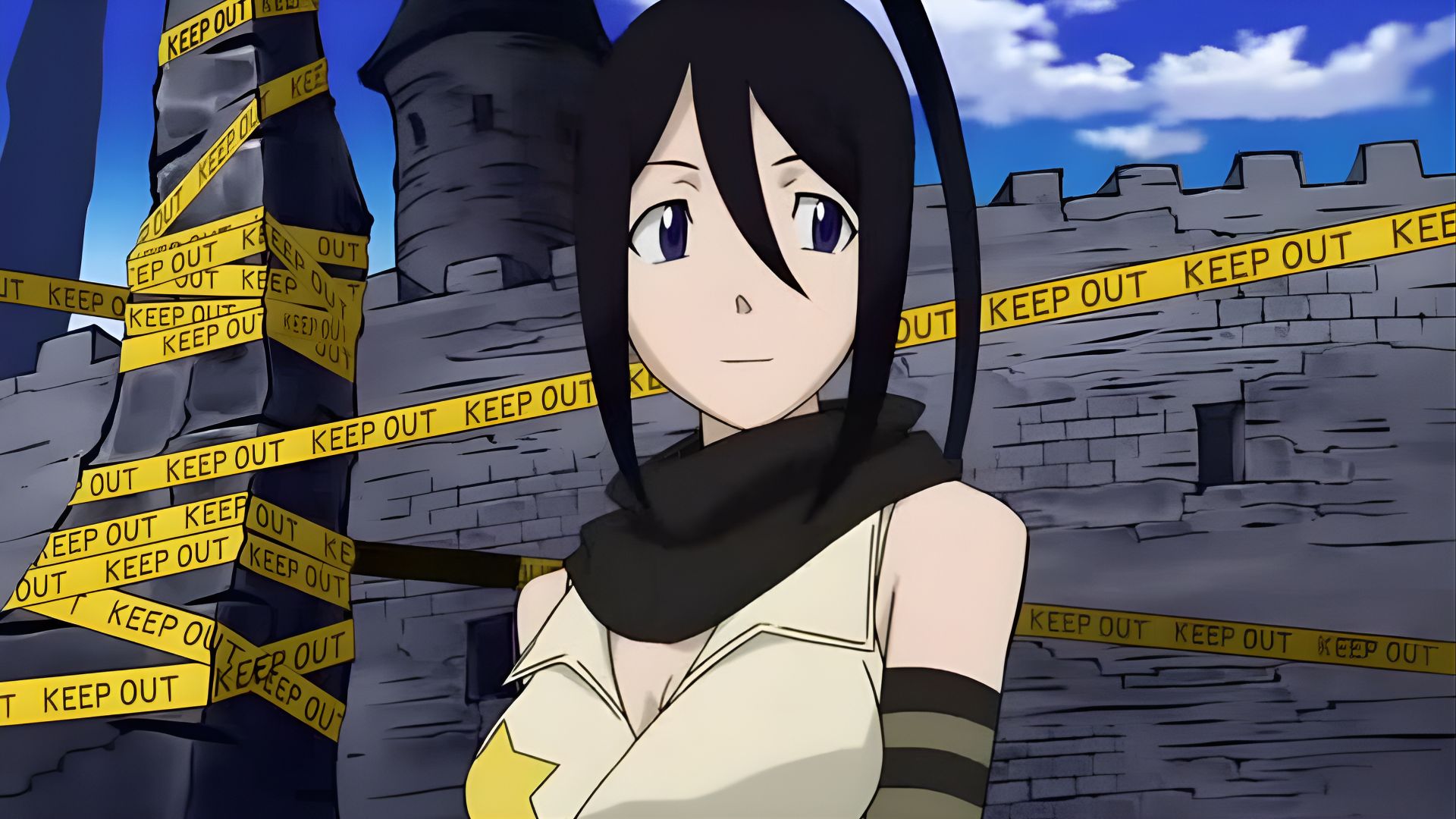
In contrast to Black☆Star’s explosive nature, Tsubaki Nakatsukasa embodies calm and emotional stability. Her design favors soft expressions and traditional elements, reinforcing her composed personality. She rarely demands attention, yet her presence is consistently impactful.
Tsubaki’s struggle in Soul Eater is internal. She is supportive to the point of self-erasure, often placing others’ needs above her own. Her growth comes from learning self-respect and setting boundaries. When she begins to assert herself, her strength becomes undeniable.
Many viewers connected deeply with Tsubaki, especially those who felt overlooked in their own lives. Soul Eater validated the idea that gentleness and assertiveness are not opposites, but complementary traits.
Death the Kid – Symmetry, Control, and Anxiety
Death the Kid is one of the most symbolically rich characters in Soul Eater. His perfectly symmetrical appearance is more than a visual gag—it is a direct extension of his psychological state. Every line of his design reinforces his obsession with balance and order.
While often used for humor, Kid’s fixation reflects deeper anxiety. He struggles with uncertainty and chaos, and his need for perfection becomes a limitation. Over time, Soul Eater allows Kid to confront the impossibility of perfect balance, pushing him toward emotional flexibility.
This nuanced depiction resonated with audiences who experience perfectionism or control-related stress. Soul Eater transformed these traits into a narrative exploration rather than a flaw to be mocked.

Why the Characters of Soul Eater Still Matter
The main cast of Soul Eater functions as a spectrum of human emotion. Each character embodies a different psychological challenge—fear, insecurity, ego, self-sacrifice, or obsession. Their development emphasizes cooperation and balance rather than dominance.
This character-driven approach is a major reason Soul Eater continues to be analyzed, discussed, and revisited. Fans do not simply remember the fights; they remember how these characters made them feel.
