Soul Eater is one of the most distinctive anime series to emerge from the late 2000s, blending action, dark fantasy, comedy, and psychological themes into a visually striking and narratively engaging experience. Adapted from the manga written and illustrated by Atsushi Ōkubo, Soul Eater first aired in 2008 and quickly gained a strong international fanbase. Its unique art style, memorable characters, and philosophical undertones helped it stand out in an era crowded with shōnen anime. Even years after its release, Soul Eater remains an influential and frequently discussed title within the anime community.
Overview of the Soul Eater Universe
The story of Soul Eater takes place in a fictional world centered around the Death Weapon Meister Academy, commonly known as DWMA. This academy is run by the Shinigami himself, also referred to as Death or Lord Death, and its primary mission is to maintain balance in the world by preventing the rise of Kishin, god-like beings born from madness. Students at DWMA are divided into two roles: Weapon Meisters, who wield weapons in combat, and Demon Weapons, humans who can transform into powerful weapons.
The central premise revolves around Meisters partnering with their respective weapons to collect the souls of ninety-nine evil humans and one witch. Once this goal is achieved, the weapon can evolve into a Death Scythe, a powerful armament worthy of being used by the Shinigami himself. This simple yet compelling objective provides the foundation for the series while allowing room for complex character development and thematic exploration.
Main Characters and Their Roles
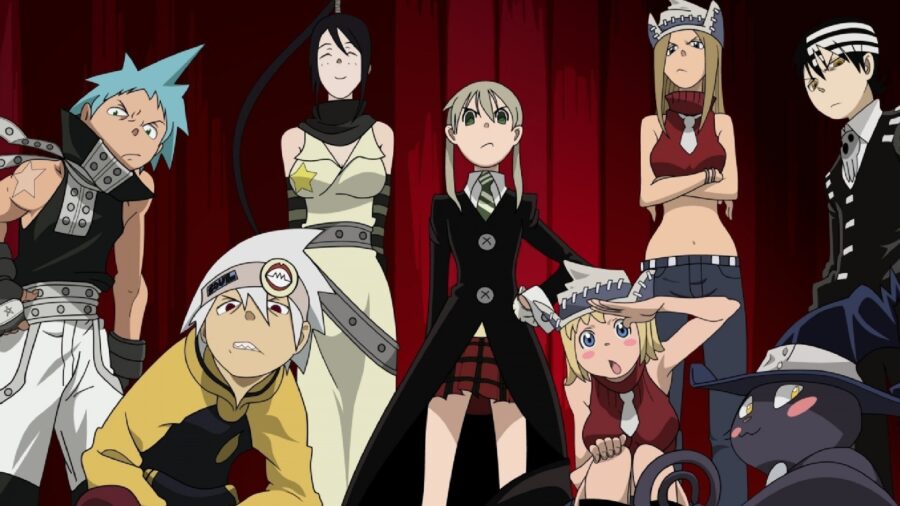
Soul Eater features a diverse cast of characters, each representing different personalities, philosophies, and approaches to power. The story primarily follows three Meister-Weapon pairs: Maka Albarn and Soul Eater Evans, Black Star and Tsubaki Nakatsukasa, and Death the Kid with the Thompson sisters, Patty and Liz. These characters are not only fighters but also students grappling with personal insecurities, ambitions, and emotional struggles.
Maka Albarn stands out as one of the most well-regarded female protagonists in shōnen anime. Intelligent, disciplined, and morally grounded, she contrasts sharply with her partner Soul, who embodies a laid-back yet determined attitude. Their relationship is built on mutual trust and emotional synchronization, which is essential for effective combat. Black Star, on the other hand, represents unchecked ambition and ego, constantly striving to surpass the gods themselves, while Tsubaki serves as his calm and supportive counterbalance. Death the Kid brings a unique psychological element to the series through his extreme obsession with symmetry, adding both humor and depth to his character.
Themes of Madness and Identity
One of the most defining aspects of Soul Eater is its exploration of madness. Unlike many anime that treat insanity as a purely negative or villainous trait, Soul Eater presents madness as a spectrum. Characters are constantly exposed to madness through combat, fear, and inner conflict, and the way they respond to it shapes their identities. The concept of the “madness wavelength” is central to the series, symbolizing how emotional instability and fear can resonate and spread.
The anime frequently questions what it means to remain sane in a chaotic world. Characters such as Crona exemplify this struggle, portraying the tragic consequences of emotional abuse, isolation, and fear. Through Crona’s arc, Soul Eater addresses themes of self-worth and the difficulty of overcoming internal demons. These psychological elements add a layer of maturity to the series that resonates with older audiences while remaining accessible to younger viewers.
Art Style and Visual Identity
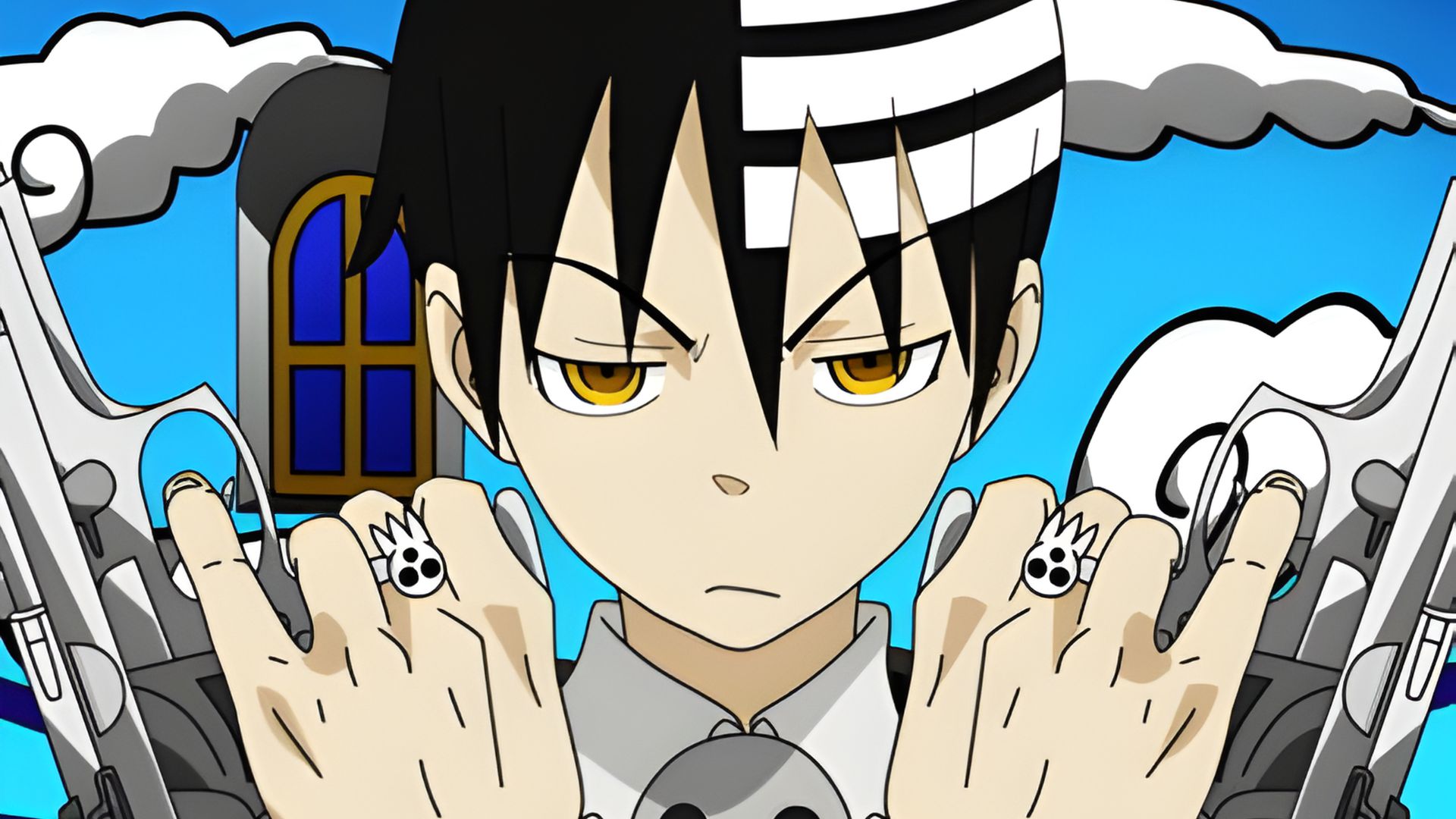
Soul Eater’s visual style is one of its most recognizable features. Atsushi Ōkubo’s art emphasizes sharp lines, exaggerated expressions, and gothic aesthetics, which the anime adaptation successfully translates into motion. The world of Soul Eater feels surreal and slightly distorted, reflecting the instability and madness that permeate its narrative. Backgrounds often feature crooked architecture, bold color contrasts, and symbolic imagery, creating an atmosphere that is both playful and unsettling.
The animation, particularly during action sequences, is dynamic and expressive rather than hyper-realistic. This stylistic choice enhances the emotional impact of battles and reinforces the series’ unique tone. The character designs are memorable and instantly identifiable, contributing to Soul Eater’s lasting popularity in fan art, cosplay, and merchandise.
Music and Atmosphere
The soundtrack of Soul Eater plays a crucial role in establishing its mood. The opening themes, such as “Resonance” by T.M.Revolution, have become iconic within the anime community, perfectly capturing the energy and darkness of the series. Background music shifts seamlessly between eerie, high-energy, and emotional tones, reinforcing both the comedic and dramatic moments of the story.
Sound design also contributes to the overall atmosphere, particularly in scenes involving madness or psychological tension. The use of unsettling audio cues and distorted sounds helps immerse viewers in the characters’ mental states. This careful attention to audio elements elevates Soul Eater beyond a standard action anime and enhances its storytelling impact.
Differences Between the Anime and Manga
While the anime adaptation of Soul Eater follows the manga closely in its early stages, it eventually diverges into an original storyline. This deviation has been a topic of discussion among fans for years. The anime’s ending resolves the story in a more straightforward and optimistic manner, whereas the manga continues to develop its themes and characters with greater complexity.
Despite these differences, both versions have their own strengths. The anime offers a visually engaging and emotionally satisfying conclusion that works well within its episodic format. The manga, on the other hand, provides deeper world-building and a more nuanced resolution of its central conflicts. Together, they showcase the versatility of the Soul Eater universe and its ability to adapt to different storytelling approaches.
